


Why Your Small Business Isn’t Growing Online (And How to Fix It)

If you’ve been putting time and money into your online presence but still aren’t seeing results, you’re not alone. A solid digital marketing strategy for small businesses is rarely about doing more — it’s about doing the right things in the right order. The businesses that consistently grow online aren’t necessarily outspending their competitors. They’re outthinking them. In this guide, we’re breaking down the most common reasons small businesses stall online and, more importantly, exactly what to do about it.
At Second Screen Digital, we work with small businesses every day to cut through the noise and build marketing systems that actually drive growth. Here’s what we’ve learned.
1. You Don’t Have a Clear Strategy — You Have a Collection of Tactics
This is the most common issue we see. Businesses post on social media here, run an ad there, maybe send an email blast once a month — but none of it connects. That’s not a digital marketing strategy for small businesses. That’s guesswork with a budget.
A real strategy starts with three things: knowing your audience, knowing what you want them to do, and knowing which channels will get them there. Without that foundation, every tactic you try will feel inconsistent — because it is.
Action steps:
- Define your ideal customer: age, location, pain points, and what they search for online.
- Set one primary goal per quarter — leads, sales, awareness, or retention.
- Map your channels to stages of the buyer journey (awareness, consideration, decision).
- Read our guide on building a digital marketing strategy that actually works for a practical starting framework.
2. Your Website Isn’t Working Hard Enough
Social media and ads can drive traffic, but if your website doesn’t convert visitors into leads, you’re leaving money on the table. For most small businesses, the website is the weakest link in the chain — not because it looks bad, but because it’s not built to guide visitors toward a clear action.
Speed, mobile experience, clear messaging, and obvious calls-to-action are non-negotiables in 2026. If any of those are missing, you’re losing potential customers before they ever contact you.
Action steps:
- Test your website load speed using Google PageSpeed Insights and fix anything scoring below 70.
- Make sure every page has one clear next step — a contact form, phone number, or booking link.
- Review your homepage headline: does it clearly explain what you do and who you help within five seconds?
- Explore website optimization strategies for small businesses to identify quick wins on your site.

3. You’re Not Showing Up in Search
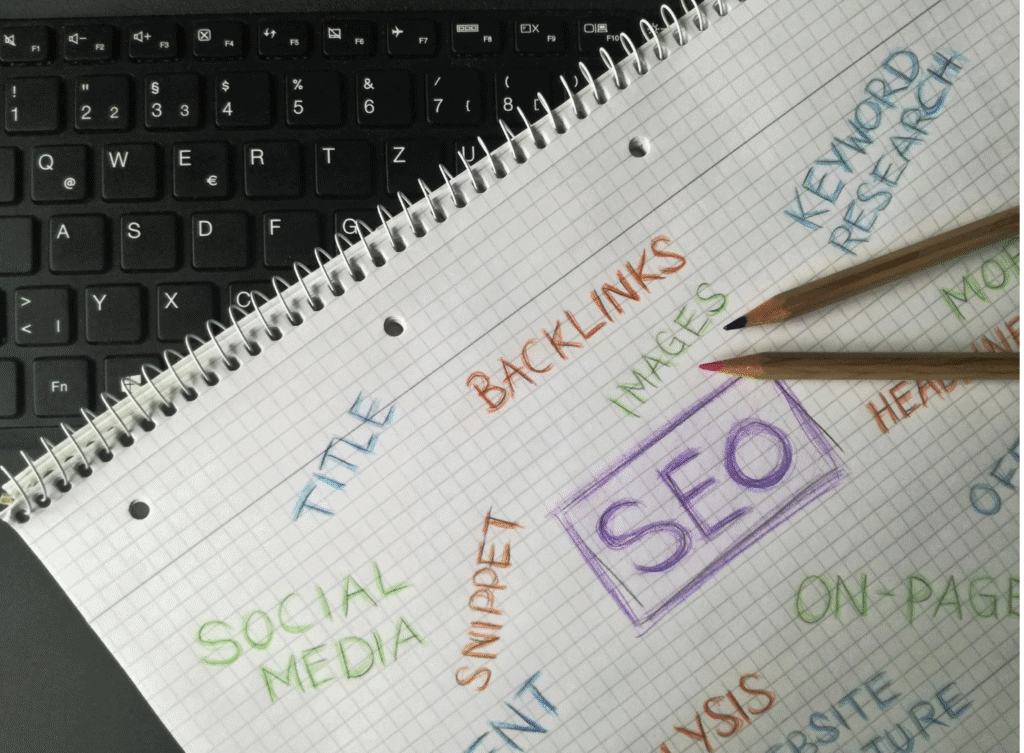
If your business can’t be found on Google, you’re invisible to the people actively looking for what you sell. SEO — search engine optimisation — is one of the highest-return investments in any digital marketing strategy for small businesses, but it’s also one of the most misunderstood.
The good news: small businesses don’t need to compete with national brands on broad keywords. Local SEO, long-tail search terms, and well-structured content can help you rank for the searches that actually matter to your business.
According to Google’s own research, 76% of people who search for something nearby on their phone visit a related business within a day. Being findable locally is a direct revenue driver.
Action steps:
- Claim and fully optimise your Google Business Profile with updated hours, photos, and services.
- Create content that answers the specific questions your customers are Googling.
- Build internal links between your blog posts and service pages to strengthen your site structure.
- Our breakdown of SEO strategies for small businesses in 2025 walks through exactly how to approach this step by step.
4. Your Social Media Has No Search Strategy Behind It
Social media has changed. Platforms like TikTok, Instagram, and even LinkedIn now function as search engines. People are searching for answers, inspiration, and businesses directly inside these apps — and if your content isn’t structured to be found, you’re only reaching the people who already follow you.
Social SEO — optimising your captions, profiles, and content for searchable phrases — is one of the most underutilised tactics in small business marketing today.
Action steps:
- Research what phrases your audience types into TikTok and Instagram search bars, not just Google.
- Include those phrases naturally in your captions, video text overlays, and bio descriptions.
- Post short educational content that answers specific questions your customers are already asking.
- Get up to speed with social SEO and what it means for visibility in 2026 — it’s one of the fastest-moving shifts in online marketing for small business right now.
5. Your Paid Ads Aren’t Converting
Running ads without a proper conversion setup is one of the fastest ways to drain your marketing budget. Many small businesses make the mistake of sending paid traffic to a homepage or a generic landing page, then wondering why their cost-per-lead is so high.
Paid advertising works — but only when your targeting, creative, and landing page are all aligned. One weak link breaks the whole chain.
For a full breakdown of where ad spend typically goes wrong, read our article on common paid advertising mistakes and how to fix them.
Action steps:
- Never send paid traffic to your homepage — build or use a dedicated landing page with one clear CTA.
- Set up conversion tracking before you spend a single dollar on ads.
- Test two ad creatives at a time and let data — not instinct — determine the winner.
- Review your cost-per-acquisition weekly and adjust targeting before increasing budget.
6. You’re Not Nurturing the Leads You Already Have
Getting a lead is only half the job. Most small businesses focus so heavily on generating new traffic that they neglect the people already in their world — website visitors who didn’t convert, past customers who haven’t come back, and email subscribers who’ve gone quiet.
Email marketing remains one of the most cost-effective channels available, particularly for businesses with an existing customer base. Automated sequences, re-engagement campaigns, and personalised offers can turn dormant contacts into paying customers without spending an extra cent on ads.
If your emails aren’t getting results, our guide on why email campaigns fail and how a smarter strategy fixes it is a good place to start.
According to HubSpot’s email marketing research, email delivers one of the highest returns on investment of any digital channel — but only when it’s executed with proper segmentation and automation.
Action steps:
- Set up a welcome sequence for every new email subscriber — at minimum three emails over two weeks.
- Segment your list by behaviour: new leads, active customers, and lapsed customers need different messages.
- Test subject lines regularly and track open rates, click-through rates, and conversions separately.
7. You’re Treating Your Channels as Separate Silos
The final — and arguably most damaging — mistake is treating SEO, social media, paid ads, and email as separate strategies with separate goals. A truly effective digital marketing strategy for small businesses integrates all of these channels into one connected system where each one supports the others.
Here’s how it works when done right:
- Content marketing and SEO build your organic visibility and authority over time.
- Social media amplifies your content and keeps your brand top of mind.
- Paid ads accelerate growth on campaigns that are already working organically.
- Email converts and retains the audience you’ve built across all channels.
If you want to see how these channels come together in practice, explore our digital marketing insights and resources or take a look at our recent client work to see integrated strategies in action.
What Small Businesses Should Prioritise Right Now
If you’re feeling overwhelmed, start here. A strong digital marketing strategy for small businesses doesn’t have to be complicated. It has to be focused. These are the five priorities that will move the needle fastest:
- Fix your website first — it’s the foundation everything else relies on.
- Get found on Google — local SEO and consistent content are your lowest-cost, highest-return tools.
- Build your email list and automate your nurture sequences.
- Run social media with a search mindset, not just a posting schedule.
- When you add paid ads, make sure your tracking and landing pages are ready before you spend.

Final Thoughts
Growing your business online is completely achievable — but it requires strategy, not just activity. The businesses that win aren’t necessarily the ones with the biggest budgets. They’re the ones that know who they’re talking to, what they want them to do, and how to measure whether it’s working.
If you’re ready to stop guessing and start building a marketing system that consistently delivers results, explore our digital marketing services or get in touch with our team directly. We’d love to help.
Share: